Showing posts with label tofu. Show all posts

Thursday, March 10, 2011

Dinner in Under 10 Minutes: Toasted Mochi with Citrus Stir Fry

I got home late tonight and was already starving, so my limited dinner options included instant ramen, defrosting some leftover lentil soup, or making something from scratch.  I decided to see how quickly I could make a meal, and it turns out, under 10 minutes from the time I walked into the kitchen.


So here’s my little 10-minute dinner experiment.  I hope you like it.
---
10 Minute Toasted Mochi with Citrus Stir Fry
Packaged plain mochi (glutinous rice cakes)
Asparagus, cut into pieces
Kabocha (Japanese Pumpkin), cut into pieces
Aburaage tofu (fried sheet tofu), roughly chopped
Scallions (Green/spring onion), chopped fine
Fresh ginger, grated or chopped very fine
Dried chilies, chopped fine
Ponzu yuzu  (Japanese citrus) soy sauce
Honey
Olive oil
Fresh yuzu or lemon (optional)
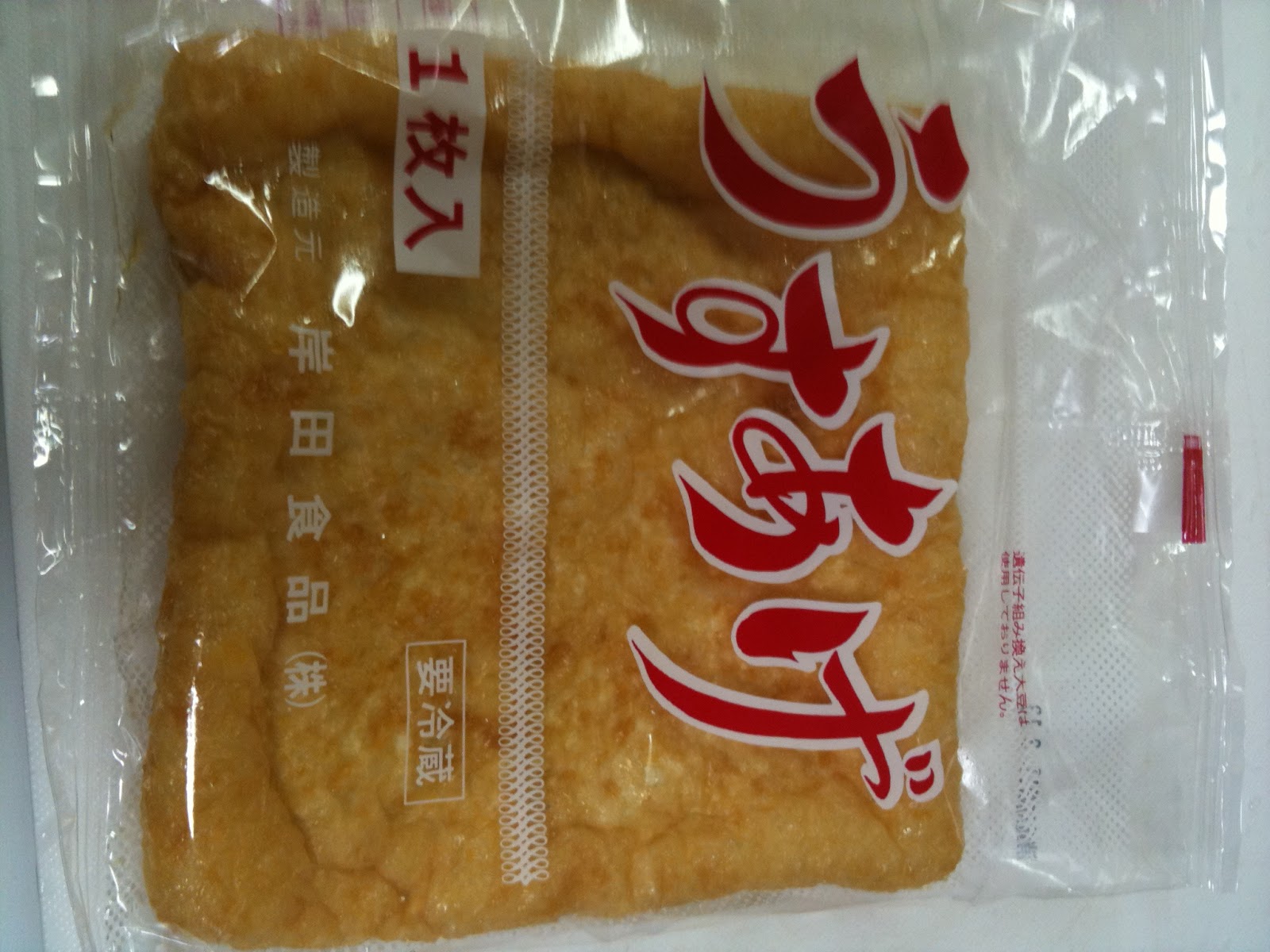
 Aburaage tofu

Mochi
 
1. Begin to toast the mochi, either in a frying pan or in the toaster oven.  (Be careful, since, like bread, it goes from perfectly toasted and delicious to charcoal in just a few seconds.)  Flip when the first side is toasted.
 
 Toasting the mochi

2. Blanch the asparagus and kabocha (Boil the vegetables for 1 minute in lightly salted water.  Drain and immediately cool the vegetables by running under cold water or immersing in ice water to stop cooking.)
  
3. Heat a frying pan or walk over medium high heat (a water drop should “dance” in the heat before evaporating).  Add about ½ tsp olive oil.  Heat the chilies for about 30 seconds, then add the ginger.  (Remember, this is a stir fry, so keep the food moving over the high heat to prevent burning)  Another 30 seconds later, add the blanched vegetables, tofu, and scallions.  Cook another minute.   Add the ponzu (2-3 tbsp per person should be plenty) and honey (to taste – I only used about 1/2 tsp for just a little sweetness).  Reduce the heat to very low.
 The stir fry

4.  When the mochi is done (toasted on both sides and puffy and gooey in the center), put on a plate and pour the stir fry over the toasted mochi.  Finish with a squeeze of fresh yuzu or lemon.  Enjoy.
 10 minutes to dinner
 ---

That’s my 10 minute dinner experiment.  It sure beat McDonalds!

Weeknight Dinners 101: Fried Rice

Yes, I know -- it’s been a while. Can I still blame jetlag? Maybe culture shock? Or simple laziness, which is much more likely…
 Well, I’ve decided to update on some of my food adventures in Japan, both my own cooking and interesting Japanese foods I try.
To start, I’m going to post my basic fried rice recipe (like most of my recipes, it’s more of a guideline, since I’m all about changing the recipe to taste or for convenience). This is probably the recipe I make most often, thanks to always having a steady supply of leftover brown rice. It’s the easiest way to use up whatever vegetables you have lying around and the best way to make dinner when you’re desperate for a grocery run, or have been snowed into your apartment for three straight days. (Thank you, Fukui winter…)
[Sidenote: the best purchase since I’ve come to Japan? A good rice cooker, which I got on the cheap from a recycle shop. It’s made my life so much easier, since I don’t need to pay attention to the rice while I cook the rest of dinner, and it always supplies me with enough leftover rice to make this delicious weeknight dinner] 
---
Basic Fried Rice
2-4 cups cooked brown or white rice*
1-2 eggs
1/2 chopped onion
2 small Japanese green peppers or 1 large bell pepper
2 cloves garlic, chopped
1 inch fresh ginger, finely chopped or grated (trust me, it makes a huge difference, and ginger can stay fresh in the freezer for months and is easily grated while still frozen)
Soy sauce (low sodium is best)
Black pepper, to taste
Chopped dried chilies or cayenne pepper, to taste
Sesame oil (again, makes a huge difference, but optional)
Olive oil or vegetable oil (it’s also amazing with homemade ghee, but that’ll be another post…)


--Now here’s the place for your creativity/desperation (need to use up that last carrot or piece of tofu?)--


1 cup protein: some suggestions are chopped chicken breast, extra firm tofu, Aburaage tofu (fried tofu sheets), ham or bacon, shrimp, frozen shelled edamame. Whatever you have or like works (this is a great way to use extra cooked meats, like Thanksgiving turkey or leftover steak).
Other chopped vegetables – I usually use 2-3, depending on what’s in my fridge: 1 chopped carrot, 1/4 chopped kabocha (Japanese pumpkin), finely chopped chilies (seeded), 1 small Japanese eggplant or 1/2 large Italian eggplant, 1 cup shredded cabbage (napa works best), 1/2 head broccoli (blanched***), 1 cup chopped bok choy or spinach, frozen vegetables (peas or a mix of carrots, peas, and corn).**


1. Put a small amount of vegetable oil into a frying pan and heat to medium-high (until a drop of water “dances” before evaporating when it hits the pan). Break the eggs directly into the pan and scramble with a spatula or wooden spoon, breaking it apart as it cooks. Cook until just set, then take out the eggs and leave aside.
2. If you have a protein that needs a lot of cooking (raw chicken breast, block tofu, bacon, raw shrimp), add a little oil into the pan, heat to medium and cook thoroughly. Season with black pepper (do not use salt – there will be enough seasoning with the soy sauce later). Put aside with the eggs.
3. Add a little more oil to the pan and heat again. This time use half sesame oil and half olive oil (the sesame oil adds a lot of flavor, but burns and smokes at a low temperature, so adding the other oil helps). Cook the chopped onion until translucent (if you’re using carrots or pumpkin, add those now, too). Once they’re mostly cooked, lower the heat and add the garlic, peppers, chilies, and ginger, stirring often to prevent burning. (Garlic burns quickly and gets very bitter). Cook about 1 minute.
4. Add the additional vegetables and protein (if they weren’t cooked earlier) and cook through. This will probably take 1-2 minutes.
5. Add the leftover rice, egg, and cooked protein and heat for a minute. Then add the soy sauce to taste and stir. Cook for 1 more minute until the soy sauce is absorbed and everything is heated. Enjoy!


* The best rice for this is actually leftover cooked rice which has been cooled in the fridge uncovered. This way it thoroughly dries out and cooks into fluffy, separated grains. This is especially important for Japanese-style rice, which is medium grain and very sticky.
** Obviously this list could go on forever. Most vegetables work well, though tomatoes, potatoes, celery, and leeks are all examples of vegetables that don’t work well.
*** To blanch a vegetable, cut it into pieces, boil in salted water for about a minute, then cool immediately in ice water or under cold running water to stop the cooking process. This is allows you to stir fry hearty vegetables which take a long time to cook, and is a great way to add vegetables like broccoli, asparagus, or winter squash to a salad.


---


Fried rice is easy to personalize and a great way to experiment. Some of my favorite variations include:
* Adding chunks of fresh or canned pineapple with the vegetables (step 4)
* Using different flavored soy sauces: ponzu (yuzu Japanese citrus soy sauce), chili, and konbu (Japanese seaweed) soy sauces all work great.
* Adding curry powder (or Garam masala and tumeric) and cooking it with the onions makes a great Japanese dry curry rice


Well, I hope you like my basic fried rice. Now, you see why I always make so much rice (and how I get through those giant 5Kg bags of brown rice)